Home › Commercial Brick Masonry
Reliable, professional commercial brick masonry in Tuscaloosa, AL from Tuscaloosa Masonry. Contact us today for a free on-site estimate.
Tuscaloosa Masonry provides professional commercial brick masonry throughout Tuscaloosa, AL, Alabama and the surrounding area. Our licensed, insured crew delivers safe, clean, on-time work with a free estimate before anything begins. Call (205) 539-6453 or request your free quote.
Commercial Brick Masonry for Tuscaloosa Businesses
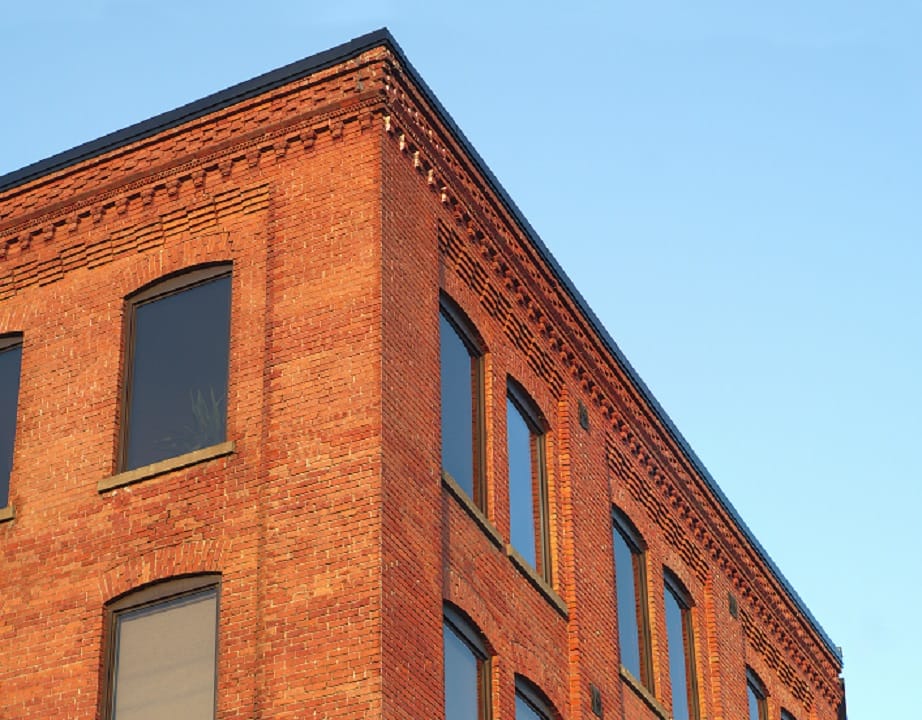
Tuscaloosa Masonry provides commercial brick masonry tailored to the way buildings are actually used in Tuscaloosa, from university-area offices and medical facilities to small retail centers along McFarland and Skyland. Our focus is long-term performance in Alabama humidity and heat, along with brickwork that represents your brand well.
When we look at a commercial brick project, we start by asking how the building will function every day. A restaurant on the Strip needs durable veneers that resist grease, staining, and constant foot traffic. A medical office near DCH needs clean, consistent brickwork that blends with existing hospital facilities and handles regular cleaning. An industrial building off I-20/59 needs impact-resistant masonry around loading docks and clear expansion joints that tolerate heavy vehicle movement.
Our team is familiar with local zoning and design preferences in Tuscaloosa, Northport, and surrounding unincorporated areas. We work with your architect or engineer, or we can recommend one if you need full design support. The goal is to deliver commercial brick masonry that passes inspection the first time and stays attractive and watertight through years of Alabama storms and temperature swings.
How Our Commercial Brick Masonry Process Works
Commercial brick masonry is more than stacking bricks in straight lines. It is a structured process, and at Tuscaloosa Masonry we walk you through each step so you know what to expect on your site.
1) Initial site review and drawings. We start with your plans, survey the building or site, and look at structural supports, lintels, and foundations. For new construction around Tuscaloosa, we coordinate with your general contractor so our schedule does not slow down framing, roofing, or interior trades.
2) Substrate and support preparation. For veneers over block or steel studs, we verify that wall sheathing, air barriers, and flashing are correctly installed. On load-bearing masonry, we confirm footing sizes, rebar placement, and anchor locations. We commonly work with concrete block back-up walls and steel lintels for storefronts along commercial corridors.
3) Layout and brick setting. Our masons lay out control lines, corner leads, and story poles so brick courses line up with windows, doors, and existing elevations. We pay close attention to matching sill heights and storefront frames, which is essential on infill projects in older Tuscaloosa corridors where new brick must blend with 30 to 60 year old neighbors.
4) Mortar mixing and joint tooling. We mix mortar to the correct strength and color, and we control water content so joints cure properly in Tuscaloosa’s humid climate. Joints are tooled at the right time in the set, which reduces hairline cracks and helps water shed instead of soaking into the wall.
5) Flashing, weeps, and control joints. We install through-wall flashing over openings and at base of walls, and we add weep systems so trapped moisture can escape. Vertical expansion joints are planned around corners, long wall runs, and changes in height so the brickwork can move slightly without cracking.
6) Cleanup, punch list, and protection. Once the wall is complete we clean the brick with the correct product for the specific unit and mortar, not just generic acid. Then we walk the project with you or your superintendent, complete punch list items, and protect the masonry from damage while other trades finish their work.
Brick, Mortar, and Design Options for Commercial Projects
The brick and mortar you choose affect cost, schedule, and the way your building handles Tuscaloosa’s weather. Tuscaloosa Masonry helps you select options that balance appearance, durability, and budget.
Brick types we commonly use for commercial jobs include: modular face brick for most office and retail facades, utility and closure bricks for faster coverage on large warehouse walls, and thin brick for interior feature walls in lobbies, restaurants, and student housing. For projects near the University of Alabama, many owners prefer red or crimson blends with consistent coloration so new buildings sit comfortably next to older campus-style structures.
Mortar selection is just as important. Most commercial brick masonry in this area uses Type N or Type S mortar. Type S offers higher strength for walls that may see impact or wind loads, such as exposed corners or warehouse facades, while Type N can be appropriate for many veneers where flexibility is more important than maximum strength. We also match mortar color to existing structures when you are expanding a plaza or adding a new wing.
Aesthetic choices include bond patterns (running bond for efficiency, stack bond for modern storefronts, Flemish or English bond for higher-end facades), accent bands of contrasting brick, soldier courses above doors and windows, and brick columns or pilasters at entrances. We often incorporate cast stone or precast concrete accents at sign panels and entry features, coordinating joint widths so the brick and stone align cleanly.
Inside, commercial property owners are using brick more often around reception desks, bar backs, and open office areas. In these spaces we can use thin brick anchored to substrate systems that work well with HVAC and electrical routing, and we make sure joints are aligned with lighting and wall fixtures for a polished finish.
Costs, Bids, and What Affects Your Commercial Brick Masonry Budget
Commercial brick masonry costs in Tuscaloosa vary depending on material choices, building complexity, and access conditions. Tuscaloosa Masonry prepares detailed bids that explain these variables so you understand where your money is going.
Key cost drivers include:
Brick selection. Standard modular brick in common colors generally costs less and installs faster than custom blended or textured brick. Thin brick systems can cost more per square foot but may save on structure and foundations because of reduced weight.
Wall height and access. One-story retail strips along high-traffic routes are simpler to build than multi-story student housing near the university. Taller walls require more scaffolding, lift equipment, and safety measures. Tight downtown sites may need more hand work and smaller equipment, which raises labor costs.
Detailing and openings. Facades with many windows, sign bands, and inset entries require more layout, cuts, and lintel work than flat warehouse walls. Curved walls, angled corners, and decorative bands add labor and sometimes require special shapes.
Site conditions and scheduling. If your project must be completed while the business stays open, we may need night or weekend shifts, more protection, and phased work zones. Rainy seasons and high summer heat in Tuscaloosa can also affect productivity since we need to protect fresh mortar from heavy downpours and rapid drying.
When you request a commercial brick masonry quote, we review your drawings, walk the site, and provide a line-item proposal that separates materials, labor, and equipment. This way facility managers, property owners, and general contractors can see where potential savings exist, such as simplifying certain details or adjusting brick selections without giving up durability.
Common Commercial Brick Problems in Tuscaloosa and How We Prevent Them
Local conditions in Tuscaloosa create specific challenges for commercial brick masonry. At Tuscaloosa Masonry we design and build to avoid issues that show up after a few years on many older buildings in the area.
Water intrusion at window heads and parapets is one of the most common problems we see. Brick itself is not waterproof, so we install correctly lapped flashing, end dams, and weep systems at these locations. We also make sure veneer anchors are installed per manufacturer specifications so the wall does not bulge or pull away from the structure.
Thermal movement is another concern in Alabama’s hot climate. Long brick walls that do not include properly spaced expansion joints can develop stair-step cracks or bulges. We place vertical control joints based on wall length, height, and exposure to sun, and we coordinate joint locations with your architect so they are both functional and visually acceptable.
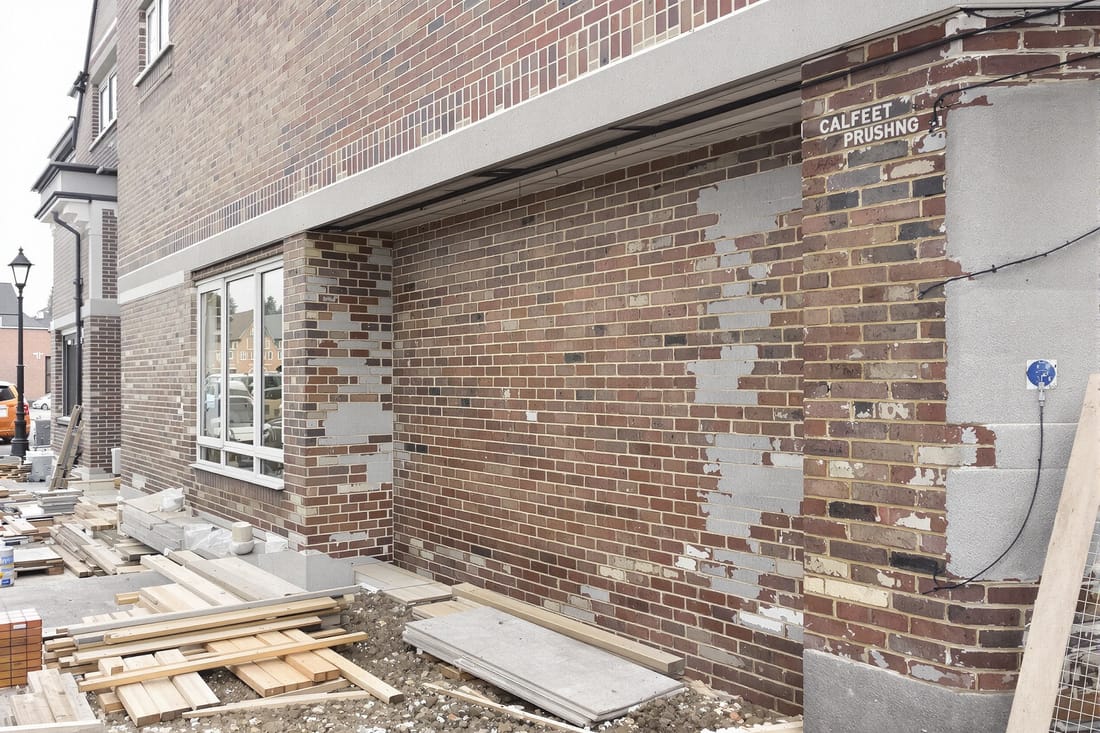
Efflorescence (white staining) can appear on some commercial buildings when soluble salts move through the wall and come to the surface. To reduce this, we control how much water enters the wall in the first place, and we use cleaning methods that do not drive salts deeper into the masonry. If efflorescence does occur, we use appropriate cleaners and rinsing techniques so the problem does not quickly return.
We also pay attention to structural support around storefronts. Signs of failure in these areas include cracked brick at the corners of steel lintels or sagging brick bands over wide glass openings. Our crews follow engineered lintel sizes and bearing lengths, and we grout and reinforce masonry where needed so the system carries loads safely.
By addressing these issues in design and construction instead of waiting for repairs later, we help Tuscaloosa businesses avoid leaks into tenant spaces, damage to interior finishes, and costly downtime for remediation.
What Tuscaloosa Businesses Should Ask Before Hiring a Masonry Contractor
Choosing the right contractor for commercial brick masonry affects not only appearance but also how your building performs under daily use and severe weather. Tuscaloosa Masonry encourages owners and construction managers to ask a few key questions, whether you work with us or someone else.
Ask for examples of completed commercial brick jobs in Tuscaloosa or nearby communities, not just residential photos. A contractor who has performed work on office complexes, retail centers, schools, or medical facilities is more likely to understand inspections, scheduling, and coordination with other trades.
Request information about crew size and supervision. Commercial projects need consistent crews and an on-site foreman who can make decisions quickly when field conditions differ from drawings. Our projects always have a lead mason or superintendent on site who communicates with your project manager or facility director.
Verify that the contractor understands local codes and ASTM standards for commercial masonry, including reinforcement spacing, tie systems, and fire rating requirements. In this region, many projects must meet specific energy and fire resistance criteria, particularly for multi-tenant and mixed-use buildings.
Discuss cleanup, safety, and disruption. On active sites along busy Tuscaloosa roads, we plan material deliveries and scaffold layouts so they do not block customer access or violate local ordinances. We put in writing how jobsite cleanup will be handled each day, where dumpsters will be located, and how dust will be controlled.
Finally, make sure warranty terms are clear. At Tuscaloosa Masonry we stand behind our commercial brick masonry with written workmanship guarantees so you know who to call if you notice cracks, leaks, or other concerns after the project is complete.