Home › Concrete and Block Masonry
Reliable, professional block masonry in Tuscaloosa, AL from Tuscaloosa Masonry. Contact us today for a free on-site estimate.
Tuscaloosa Masonry provides professional block masonry throughout Tuscaloosa, AL, Alabama and the surrounding area. Our licensed, insured crew delivers safe, clean, on-time work with a free estimate before anything begins. Call (205) 539-6453 or request your free quote.
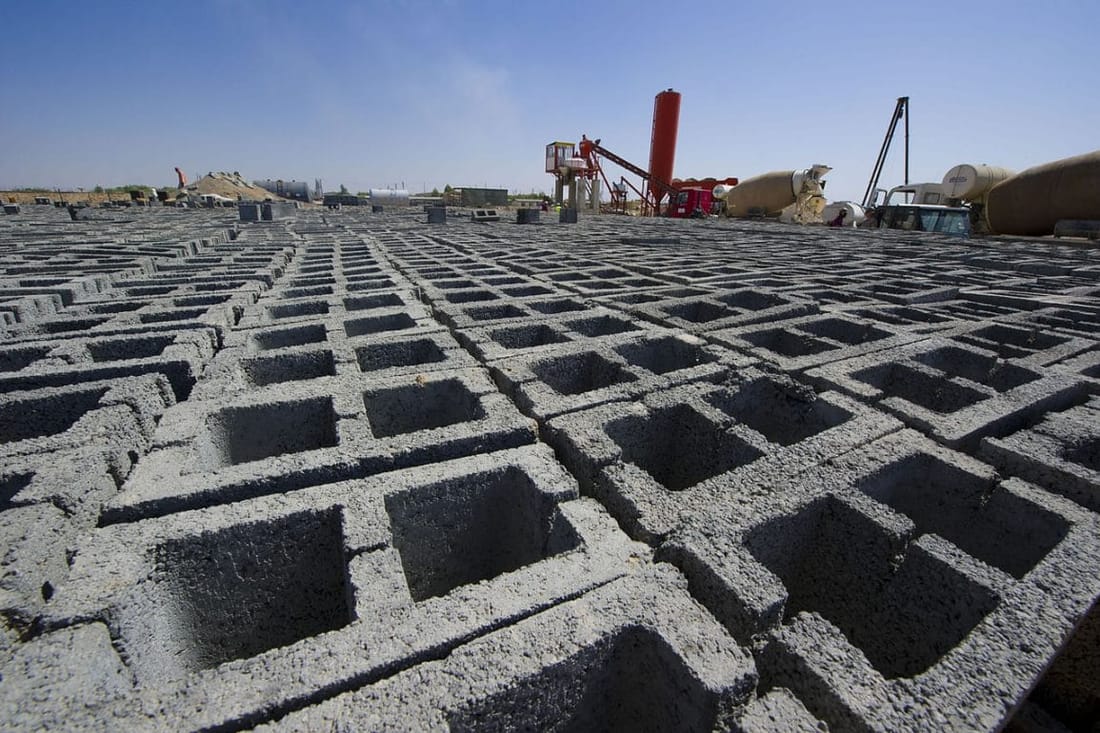
Concrete and Block Masonry Services in Tuscaloosa, AL
Concrete and block masonry is the backbone of many homes and small commercial projects across Tuscaloosa. At Tuscaloosa Masonry, we focus on structural integrity first, then appearance, so your project not only looks right on day one but holds up in our heat, humidity, and occasional severe storms.
When you hire us for concrete and block masonry, you are getting a team that specializes in poured concrete slabs, block foundations, retaining walls, crawl space walls, block garages, and structural block features like piers and columns. We understand the local red clay soils, typical footing depths in Tuscaloosa County, and what inspectors look for under the International Residential Code as adopted in Alabama.
Whether you are stabilizing an older Tuscaloosa home that has minor settling cracks, adding a block wall to support an addition, or building a new detached garage, we design and build the concrete and block system to fit your exact load requirements and site conditions. Tuscaloosa Masonry avoids one-size-fits-all layouts and instead ties every detail back to actual site measurements, drainage patterns, and the weight that the masonry will carry.
How We Plan and Prepare Your Concrete or Block Project
Good masonry starts before the first shovel of dirt is turned. Our process at Tuscaloosa Masonry begins with a site visit where we measure slopes, check the soil condition, and look for drainage paths that might affect concrete or block over time. In Tuscaloosa, we pay close attention to low spots where summer storms can dump several inches of rain in a short period, which can undermine poorly designed footings.
We verify property lines using your survey if you have one and, when necessary, we recommend you confirm with a local surveyor before building long block fences or retaining walls close to a boundary. For structural work on homes or businesses, such as foundations or load-bearing block walls, we often coordinate with your engineer or builder to confirm footing widths, block size, and reinforcement layout.
Before work begins, we determine if permits are needed with the City of Tuscaloosa or Tuscaloosa County. Structural foundations, retaining walls above certain heights, and new habitable structures typically require review. We are familiar with local inspection stages such as footing, foundation, and sometimes backfill inspections, and we build our schedule to make those checkpoints efficient instead of causing delays.
Concrete Slabs, Footings, and Structural Pours
Concrete work supports almost every block masonry project. Tuscaloosa Masonry handles slabs and footings as an integrated system so the concrete and block work together, not against each other. The first step is layout with strings and stakes, then excavation to the correct depth, usually below the topsoil and soft material until we hit firm earth.
We then compact the subgrade and, if required, add a gravel base to help drainage and reduce settling. For footings and slabs, we build forms with straight, braced lumber. We set rebar according to the load and span, typically using steel bars wired together and held off the ground with chairs or bricks so they end up in the correct position inside the concrete.
When ready, we place concrete from a ready-mix truck rated for the correct PSI and slump for the application. For example, we often use higher strength mixes for garage slabs that will carry vehicles. We vibrate or rod the concrete to eliminate voids, then strike it off level and finish the surface according to use: broom finish for traction on exterior slabs, troweled finish for interior floors, or slightly textured finishes for patios.
Curing is not an afterthought. In our hot Alabama summers, rapid drying can cause cracking and reduced strength. We often use curing compounds, water misting, or coverings for the first days so the concrete gains strength properly. Only after the concrete reaches the required strength do we start laying block on it.
Block Masonry Walls, Piers, and Foundations
Block masonry involves more than stacking concrete masonry units in straight lines. Tuscaloosa Masonry starts by snapping chalk lines on the slab or footing for accurate wall layout. We set corner blocks first because they control both level and plumb, then stretch mason lines between them to guide every subsequent course.
We select block type based on the design: standard hollow CMU for general walls, special bond beam or lintel blocks over openings, and solid or filled block in high load or anchoring locations. Mortar is mixed to the right consistency and strength, not too dry or soupy, then applied to both bed and head joints for proper bonding and load transfer.
Vertical steel bars are placed in designated cores where the plans call for reinforcement, often at corners, wall ends, and beside openings like doors or windows. Those cells are then filled with concrete or grout to create a reinforced column within the block wall. Horizontal reinforcement may be installed using ladder-type joint reinforcement or bond beams filled with concrete.
As we build, we constantly check for plumb and level. In Tuscaloosa, we also anticipate how the wall will handle moisture. That means integrating weep holes, flashing, or water-repellent additives when appropriate, especially in retaining and below-grade walls. For exposed block walls, we often recommend a breathable sealer or stucco coating that allows moisture vapor out but keeps driving rain from soaking into the block.
Retaining Walls, Drainage, and Soil Pressure in Tuscaloosa
Retaining walls in our area deal with a combination of heavy clay soils and intense rain events, which can quickly add dangerous pressure to poorly built structures. Tuscaloosa Masonry designs block retaining walls with both structure and drainage in mind, not just appearance.
We start with a footing or base trench below grade, sized for the wall height and soil type. Behind the wall, we install a gravel backfill zone, often with a perforated drain pipe at the base that exits to daylight or a suitable drainage point. This relieves hydrostatic pressure, which is the water buildup behind the wall that causes many failures.
We use appropriate block systems for the project. For smaller residential walls, this might be concrete block reinforced with rebar and filled cells, possibly faced with stone or stucco. For higher or engineered walls, we coordinate with your designer or engineer for exact reinforcement, geogrid, and footing dimensions.
During construction, we stagger vertical joints, keep each course level, and tie reinforcement into the footing where required. We pay attention to tying the wall into adjacent structures like house foundations or steps so there are controlled joints instead of random cracks. In Tuscaloosa neighborhoods with HOAs, we can help you match approved wall heights, finishes, and colors to keep your project compliant.
Cost Factors for Concrete and Block Masonry Projects
Pricing for block masonry and concrete work is driven by more than square footage. At Tuscaloosa Masonry, we explain the main cost drivers so you can make informed decisions before you commit.
Site access is a major factor. If trucks cannot get close because of tight lots, steep slopes, or existing landscaping, we may need additional labor for wheelbarrow or pump work, which will affect the price. Soil conditions can also add cost. Soft or expansive soils may require deeper or wider footings, extra gravel, or engineered solutions.
Material choices matter. Standard gray block is the most economical, while decorative block, split-face, or specialty finishes add to the material cost but can save on later cladding or siding. Reinforcement level, such as how much rebar and concrete fill goes into the block cores, is determined by the load and wall height and can significantly change both labor and material amounts.
Permits, engineering, and inspections add cost but protect your investment. Structural walls, tall retaining walls, and foundations generally should not be built from rule-of-thumb alone. We can price projects using existing engineer plans or work with your designer to balance safety with budget. When we quote a job, we break out concrete, block, reinforcement, and finish options so you know where your money is going.
What Tuscaloosa Homeowners Should Ask Before Hiring a Mason
Before you choose a contractor for block masonry in Tuscaloosa, there are practical questions that protect you and ensure a quality result. Ask how they will connect new block work to any existing structures. Proper doweling with rebar and epoxy into old concrete can reduce future separation cracks between old and new work.
Confirm how they handle control joints, which are deliberate vertical joints in block and concrete that help manage cracking. A contractor who cannot explain where joints will go and why may be relying on luck instead of planning. You should also ask what reinforcement schedule they will use and whether it aligns with engineering or code guidelines for the height and load of the wall.
In our climate, it is important to ask about moisture management. For below-grade block walls, there should be a plan for waterproofing, such as membrane coatings on the outside and proper drainage behind the wall. For visible block or concrete surfaces, ask what sealing or coating is recommended to reduce staining and weathering.
Tuscaloosa Masonry welcomes these questions. We provide written proposals that describe footing sizes, block types, reinforcement, and finishes, not just a single lump sum and a vague description. That transparency, combined with our local experience in Tuscaloosa, helps you end up with concrete and block masonry that performs as intended for decades.