Home › Tuckpointing and Repointing
Reliable, professional tuckpointing in Tuscaloosa, AL from Tuscaloosa Masonry. Contact us today for a free on-site estimate.
Tuscaloosa Masonry provides professional tuckpointing throughout Tuscaloosa, AL, Alabama and the surrounding area. Our licensed, insured crew delivers safe, clean, on-time work with a free estimate before anything begins. Call (205) 539-6453 or request your free quote.
Tuckpointing and Repointing for Tuscaloosa Brickwork
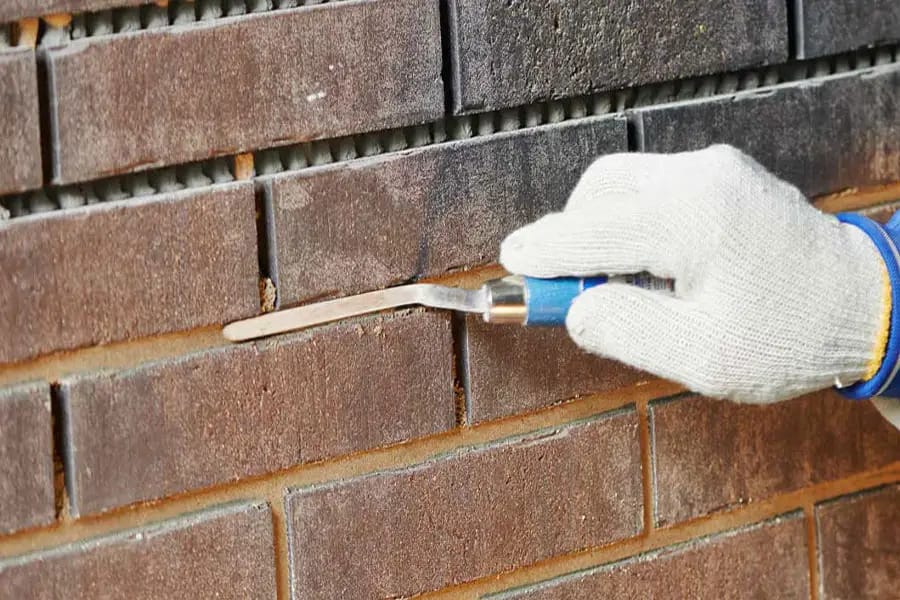
Tuckpointing is the process of removing failed mortar from between bricks and replacing it with fresh mortar that matches both the color and strength of the original. In Tuscaloosa, many homes and commercial buildings from the 1950s through the 1990s were built with brick veneer, and a lot of that mortar is now starting to crack, powder, or wash out. Tuscaloosa Masonry focuses on correcting those joints before they turn into structural issues or interior water damage.
Repointing is similar but has a slightly different focus. With repointing, the goal is to restore the structural bond between bricks or blocks by fully renewing the mortar in loose or open joints. Tuckpointing sometimes involves a colored base mortar with a fine line in a different color for appearance, while repointing focuses on strength and weather resistance first. For most local homes in Tuscaloosa, we combine both approaches so you get clean, sharp joints that also meet the actual structural needs of the wall.
On older properties, including mid century ranch homes in neighborhoods like Alberta and Northport, we often see mortar that is too hard or too soft for the original brick, usually from past repairs done with the wrong mix. Tuscaloosa Masonry tests and matches the mortar to your brick so the new joints move the way they should with Alabama temperature swings and humidity. This prevents the brick faces from spalling or flaking off over time.
How Tuscaloosa Masonry Performs Tuckpointing Step by Step
A proper tuckpointing job is detailed work. Our first step is evaluation. We walk the property, checking the full height of the walls, chimney, or columns, paying attention to mortar that is hairline cracked, hollow sounding when tapped, or recessed more than about one quarter of an inch from the brick face. We also look for rusting lintels above windows and doors and any signs of water staining or efflorescence, the white powder that shows moisture movement through the wall.
Next, we mechanically remove the failed mortar. Tuscaloosa Masonry uses angle grinders with vacuum attachments, jointer rakes, and hand chisels. For solid brick walls or historic detailing, we lean on hand tools more so we do not chip the brick edges. We cut out only the damaged mortar to a consistent depth, typically two to three times the width of the joint, so the new mortar has adequate bite.
Once joints are cleaned and dust free, we mix new mortar that matches the original in both color and hardness. That match is important in Tuscaloosa because many local bricks from regional yards have distinct red and tan tones that look off if the mortar is wrong. We use Type N or Type S mortar as needed, sometimes with adjusted sand blends and pigment to match. The new mortar is packed tightly into the joints in layers to avoid voids, then struck to the correct joint profile, such as concave, V joint, or flush, depending on what you already have.
During curing, we protect fresh joints from direct sun and fast drying, which is a real concern in hot Alabama summers. Light misting may be used to slow cure times and improve strength. Finally, we clean any residue from the brick faces and inspect again for missed joints or hairline gaps before wrapping up.
Common Tuckpointing Issues in Tuscaloosa and How We Handle Them
Tuscaloosa’s climate is hard on masonry. High humidity, frequent storms, and strong sun cause expansion and contraction cycles that stress mortar joints. We often see problems early around chimneys, parapet walls, and south facing elevations where the brick takes direct heat. Mortar joints crumble, brick faces start to pop, and hairline cracks open that let water into the wall.
Another issue is past patchwork. Many homes and small commercial buildings along McFarland Boulevard and 15th Street have had random mortar patches done with big box store mortar that is too hard and too gray. That type of patch does not move with the original brick and mortar, so the crack just shifts to the edge of the repair. Tuscaloosa Masonry removes those failed patches and replaces them with a compatible mix, blended so the repairs do not jump out visually from the street.
We also run into leaky chimneys and water entry around window heads where the mortar above steel lintels has separated. Instead of only filling visible cracks, we open those joints fully, check for rusted steel, and advise if the lintel itself needs cleaning and repainting before we tuckpoint. This prevents you from paying for cosmetic work that will fail again in a year.
In clay based soil areas of Tuscaloosa, minor foundation movement can create stepped cracks in brick walls, usually starting at windows or corners. In these situations, tuckpointing alone may not be enough. We explain whether a structural repair is required first, then follow up with repointing so the joints are not just pretty but actually tied back together properly.
Costs, Timeframes, and What Affects Your Tuckpointing Price
Tuckpointing and repointing costs in Tuscaloosa are driven by access, joint condition, and how precise the color match must be. At ground level on a straightforward single story ranch, the price per linear foot is lower because setup, ladders, and safety gear are minimal. Chimneys, two story walls, and tight spots over roofs or decks cost more because they require staging, extra time, and more labor to work safely.
The condition of your existing mortar matters. Light surface cracking with solid mortar behind it is quicker to correct than joints that have washed out an inch deep or more. Fully deteriorated joints require deeper grinding, more cleanup, and more material. If brick faces are already damaged from past aggressive grinding, we spend extra time with hand tools to preserve what is left, which affects labor costs.
Color and texture matching also influence pricing. Many customers in Tuscaloosa want near invisible repairs on front elevations or historic looking facades. Achieving that means test batches of mortar and sometimes staged work to let sections cure so we can compare color under real sunlight. That time and care is worthwhile if you care how your house looks from the street, but it is an optional cost you should be aware of upfront.
Timeline depends on scope. A small residential chimney might be completed in one day. A full perimeter repoint of a typical Tuscaloosa brick home might take several days, especially if weather interrupts. We schedule around heavy rain when possible since fresh mortar can wash out easily and long term adhesion can be compromised if it is saturated before it sets.
What Tuscaloosa Property Owners Should Decide Before Hiring
Before you call any masonry company for tuckpointing, it helps to know your priorities. Are you mainly trying to stop water leaks, restore structural strength, improve curb appeal, or all three. Tuscaloosa Masonry tailors the approach to those goals. For example, if you have interior water stains near a fireplace, we focus on the full chimney system, including crown, cap, and flashing, not just random joints on the exterior face.
Know your brick type and age if you can. Many Tuscaloosa homes from the 1960s and 1970s use softer brick and mortar that should not be replaced with very hard, high cement mixes. If your home is newer, with dense modern brick, a stronger mortar may be appropriate. We help identify what you have, but any information you already know shortens the evaluation phase.
Decide how exact you want the cosmetic match to be. A perfectly blended repair on a front facade or entry columns can add noticeable value and is usually worth the care on highly visible sides. On rear or hidden elevations, some customers choose a functional match instead, which can be more budget friendly. Being clear about this at the start helps us quote accurately.
Finally, check that whoever you hire is comfortable working in Alabama heat and understands cure times in this climate. Mortar that is allowed to dry too fast in full sun can look fine for a year then start cracking. Our crews schedule work so the most exposed walls are handled when conditions are right, and we use shade and misting when needed to avoid that problem.
Why Tuscaloosa Masonry Is a Practical Choice for Tuckpointing
Tuscaloosa Masonry focuses on brick and mortar repair work in this specific area, so our recommendations are based on what actually holds up in Tuscaloosa’s weather and soil rather than generic textbook rules. We have worked on everything from older brick cottages near the University to newer commercial fronts along Skyland Boulevard, and we see the same patterns and failure points repeat.
We do not oversell full wall rebuilds when careful tuckpointing will extend the life of your brickwork for many more years. At the same time, we will point out when joints are so far gone that patching will only waste your money. You get clear explanations, what we are doing, why, and what you can realistically expect in terms of lifespan from the repair.
Our crews treat grinding and removal as the critical stage, because most brick damage in Tuscaloosa comes from previous contractors cutting too deep or too fast. We use properly sized blades, keep cuts centered in the joint, and switch to hand tools at corners and near window and door edges. That detail work takes more time but protects the surrounding brick.
If you are seeing cracking, loose mortar, or small pieces of brick on the ground around your home, it is worth having the joints inspected now, before another wet season. Tuscaloosa Masonry can walk you through where tuckpointing is actually needed, where simple caulking or sealing is enough, and where you might need a different type of repair. That way you can put your budget into the work that will actually protect your property.