Home › Masonry Restoration and Historic Preservation
Reliable, professional historic masonry restoration in Tuscaloosa, AL from Tuscaloosa Masonry. Contact us today for a free on-site estimate.
Tuscaloosa Masonry provides professional historic masonry restoration throughout Tuscaloosa, AL, Alabama and the surrounding area. Our licensed, insured crew delivers safe, clean, on-time work with a free estimate before anything begins. Call (205) 539-6453 or request your free quote.
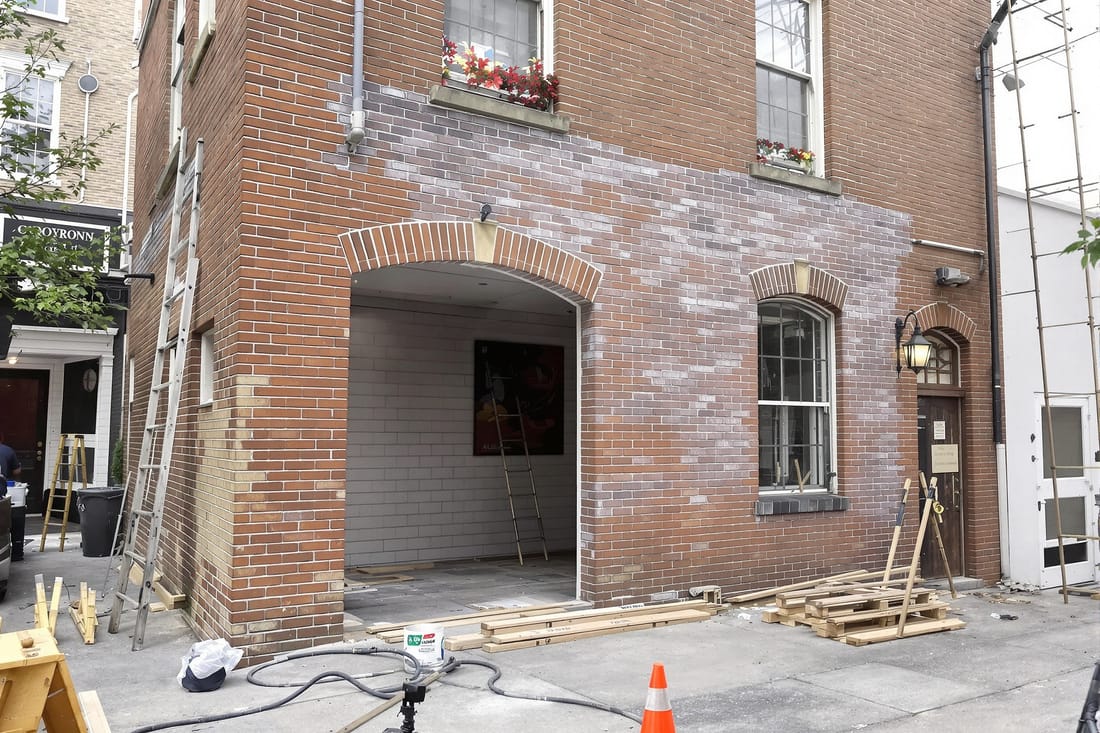
Historic masonry restoration for Tuscaloosa buildings
Tuscaloosa Masonry focuses on historic masonry restoration because old brick and stone do not behave like new construction. Many homes, churches, storefronts, and campus buildings around Tuscaloosa were built with softer brick, lime-based mortar, and details that can be ruined if the wrong products or methods are used.
Our first step is always a close inspection of the structure, not just a quick glance from the sidewalk. We check brick faces for spalling and flaking, look for hairline cracking around openings, note any bulging walls, and look for previous repair patches that have failed. We also look at rooflines, gutters, and ground drainage, because water is usually the main reason historic masonry starts to break down in our hot, humid Alabama climate.
Where possible, we identify the original materials and construction period. For example, a 1920s Tuscaloosa bungalow may have hand made brick and soft lime mortar that needs a very different repair mix than a 1960s commercial block downtown. Matching these details is what keeps the building looking right and helps it age properly instead of trapping moisture and causing new damage.
How we approach assessment, cleaning, and repair
Historic masonry restoration usually follows a clear sequence: investigation, testing, cleaning, repairs, then protection. Skipping steps or rushing usually shows up later as cracks, stains, or loose brick.
Investigation and testing: After the visual survey, Tuscaloosa Masonry may remove a small sample of mortar from a discreet area to test hardness and color. We often do test patches, for example small areas of cleaning or repointing, so owners can see the result before we move across a whole wall. This is especially important on older downtown facades where the public will see every change.
Cleaning: Most older buildings should not be hit with high pressure washing. Our standard approach in Tuscaloosa is low-pressure water rinsing combined with gentle masonry cleaners that are compatible with historic brick. On soot or red clay stains we may use specialty products, applied and rinsed in sections so chemicals do not soak deeply into the wall. We work around much of the year, but avoid aggressive cleaning in the peak of summer when surfaces are extremely hot, since that can flash dry chemicals and leave streaks.
Repairs: Once the masonry is clean and fully inspected, we tackle cracks, missing joints, and damaged units. Small cracks may be routed and filled with flexible sealants if they are at movement joints. Structural cracks or bowing walls may need stitching with concealed anchors or ties. If previous repairs used hard Portland cement on soft brick, we often remove those patches and replace them with more compatible materials that allow the wall to breathe again.
Repointing, brick replacement, and mortar matching
Most historic masonry restoration projects in Tuscaloosa include some level of repointing, also called tuckpointing. This is more than simply smearing new mortar over the old. We cut out deteriorated joints to a proper depth, usually about two to three times the width of the joint, using small tools so we do not chip the brick. Joints are cleaned of dust, lightly dampened, then filled with new mortar in layers and compacted tightly.
Mortar matching is where many restorations succeed or fail. Tuscaloosa Masonry custom blends color, sand type, and joint profile to suit the existing wall. On older homes near the river we often see buff or tan sands that give the joints a warmer look. A hard gray mortar from a bag will stand out and can damage the brick, so we avoid one size fits all mixes.
Brick replacement is done only when a unit is too soft, broken, or spalled to save. We source close matches from regional suppliers and sometimes salvage brick from less visible areas of the same property so patches blend. Where a perfect match is impossible, we may place new brick in a logical area, for example a clear repair band, instead of scattering obvious new units all across the facade.
For stonework, such as limestone steps or sills, we repair chips and cracks with mineral based patching materials, carefully matching color and texture. This gives a more authentic result than epoxy fillers that yellow in the sun and look plastic against natural stone.
Local climate, project timing, and cost factors
Tuscaloosa weather has a direct impact on historic masonry restoration. Our hot summers, heavy rainstorms, and occasional freezing nights all put stress on older brick. Mortar that is too hard can cause the brick faces to pop off in winter when moisture freezes in the wall. Sealers that do not let vapor escape can trap water during our long humid seasons. For these reasons, Tuscaloosa Masonry leans toward breathable repair systems that allow the wall to dry out naturally.
We usually plan major repointing work for milder months when temperatures are not extremely high and surfaces stay damp long enough for the mortar to cure properly. In mid-summer we may work shorter sections, use more shading, and schedule early morning hours. In colder snaps, we protect fresh work from freezing and may pause sensitive tasks until the weather stabilizes.
Costs on historic masonry restoration vary with access, height, detail, and the amount of failing material. A one story historic home with scattered bad joints is much easier and faster than a three story downtown building that needs lift equipment, sidewalk protection, and coordination with neighboring businesses. Intricate brickwork, such as arches, cornices, and patterned bands, takes longer to cut and repoint correctly. Matching specialty brick or stone can also add to cost if material has to be custom ordered or carefully salvaged.
Before we price a job, we walk the entire structure, note all elevations, and discuss the owner’s priorities, for example street side only vs full perimeter. We can often phase work over several seasons, tackling the worst weather facing walls first, such as south and west elevations that take the hardest sun and storms in Tuscaloosa.
Choosing Tuscaloosa Masonry for preservation work
Historic preservation is part craftsmanship and part problem solving. At Tuscaloosa Masonry we put equal weight on appearance and performance. We want your building to look like itself, just in sound condition, and to handle Alabama weather for decades to come.
Before starting, we are clear about what is original, what was altered in past repairs, and what the realistic options are. Some owners want a museum level restoration of a front facade, while others want a solid, respectful repair that stabilizes the structure and reduces future maintenance without chasing every tiny flaw. We explain what each approach involves, in plainer language than you will usually hear on a job site, so you can make an informed choice.
We also coordinate with other trades when needed. If failing gutters are soaking a brick wall, or if a roof leak is feeding water into a chimney, we point that out and can work alongside roofers or carpenters to solve the underlying issues instead of just patching symptoms. On commercial or campus projects, we respect operating hours and student or customer traffic, setting up protection and signage so work can proceed while the building stays in use.
If you are considering historic masonry restoration for a property in Tuscaloosa or nearby communities, the most useful step is a detailed site visit. We can walk the building with you, mark problem areas, discuss options point by point, and provide a written scope that separates urgent repairs from long term improvements, so you can plan your preservation work in a practical, budget conscious way.